

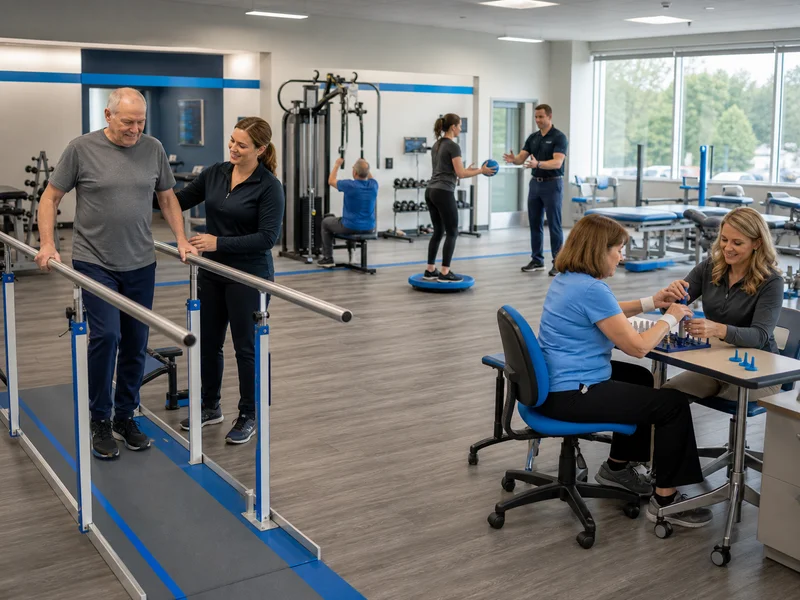
Physiatry, also called physical medicine and rehabilitation (PM&R), is a medical specialty that focuses on the diagnosis, treatment, and prevention of conditions that affect your bones, ligaments, muscles, tendons, nerves, brain, and spinal cord. A physiatrist is a physician who completed residency training in PM&R. If you are living with chronic pain or other stubborn symptoms in the Greater Kansas City area, it helps to know what a physiatry visit usually involves, so you can decide what kind of care fits your situation. Here is a general guide to what to expect.
What Do You Want to Achieve by Seeing a Physiatrist?
Your goals of less pain, better mobility, and stronger overall health are the same goals a physiatrist works toward. Physiatrists are physicians trained to look at the whole person rather than a single symptom, so their approach tends to be comprehensive from the first visit.
Just as importantly, physiatry favors treatment methods that are as minimally invasive as possible. That usually means coordinating non-opioid options with services like physical therapy, occupational therapy, and chiropractic care so symptoms are evaluated and treated with the right tools, not just the fastest ones.
What Happens During a Physiatry Appointment?
A first visit is built around understanding your body and your history. At a typical physiatry appointment, you can generally expect:
- A thorough review of your medical history, including past surgeries, current medications, and the symptoms bringing you in
- A hands-on exam of the painful area and the surrounding muscles and joints
- Lab work when it is helpful
- X-rays or other imaging such as CT scans or MRIs, as needed
- Electromyography, or EMG, which measures how well your nerves and muscles carry electrical signals
- Gait and range of motion analysis, a closer look at how your body actually moves
- Balance testing
From there, a physiatrist may recommend physical therapy, occupational therapy, a chiropractic evaluation, or input from other specialists to finish the diagnostic picture. The end result is a personalized care plan focused on real function, lasting wellness, and better pain control.
How Core Medical Center Fits In
Core Medical Center does not have a physiatrist on staff. Our medical team, which includes nurse practitioners, chiropractors, licensed physical and occupational therapists, and a board-certified anesthesiologist focused on pain management, provides many of the same nonsurgical services a physiatry plan often leads to. The testing we offer in-house is described on our advanced diagnostic testing page, and much of the hands-on follow-through happens through outpatient medical rehabilitation, where a plan turns into ongoing progress. If your situation calls for a physiatrist, we can help you think through that referral.
What Does a Physical Medicine Doctor Treat?
Physiatry covers a wide range of musculoskeletal and nerve-related conditions. Physiatrists commonly evaluate and treat issues such as:
- Osteoarthritis and rheumatoid arthritis
- Fibromyalgia
- Lower back pain
- Neck pain
- Sciatica
- Radiculopathy, or pinched nerves in the spine
- Carpal tunnel syndrome
- Spinal stenosis
- Herniated discs
- Sports injuries to both hard and soft tissue
- Workplace injuries
- Stroke and other conditions that affect nerve function
Persistent low back pain is one of the most common reasons people see a physiatrist, and it is a clear example of where a careful evaluation pays off before any treatment begins.
Surgery is rarely a physiatrist’s first answer, though it is not ruled out when it is genuinely the best path. More often, a physiatry care plan leans on less invasive options, including:
- Non-opioid pain relievers
- Therapeutic exercise
- Weight management guidance
- Orthotics, such as custom shoe inserts
- Assistive devices
- Ultrasound therapy
- Soft tissue and joint injections
The goal is always to calm the pain, restore movement, and help you get back to the activities that matter, with the least disruption possible.
Getting to the Root of the Problem
Whether you see a physiatrist or another nonsurgical provider, the principle is the same: rather than chasing symptoms, a good first visit is designed to find what is actually driving your pain so treatment can target the real cause. Clear, honest communication between you and your provider makes that possible.
If you are tired of guessing about your pain and ready for a plan built around your goals, explore our physical medicine and rehabilitation services and reach out to our Blue Springs team when you are ready to get started.
Frequently Asked Questions
What is the difference between a physiatrist and an orthopedic surgeon?
A physiatrist is a physician who specializes in physical medicine and rehabilitation, focusing on nonsurgical ways to restore function and reduce pain. An orthopedic surgeon focuses on operative treatment of bones and joints. Many patients see a physiatrist first because the goal is to resolve the problem with the least invasive approach possible, reserving surgery for cases that truly need it.
Does Core Medical Center have a physiatrist?
No. Core Medical Center does not have a physiatrist on staff. Our medical team provides nonsurgical care such as chiropractic care, physical and occupational therapy, rehabilitation, and pain management, and we can talk with you about whether a physiatry referral makes sense for your situation.
Do I need a referral to see a physiatrist?
Referral rules depend on your insurance plan. Some plans allow you to schedule directly with a physiatrist, while others require a referral from your primary care provider first. It is a good idea to call your insurer before your visit so you know what your plan requires and what to bring.
What should I bring to my first physiatry appointment?
Bring a list of your current medications, any recent imaging or test results, a summary of past surgeries, and notes on when your symptoms started and what makes them better or worse. The more history your physiatrist has at the first visit, the faster they can identify the source of your pain and build an accurate plan.
How long does a physiatry evaluation take?
A first physiatry appointment usually takes longer than a routine office visit because it includes a detailed history, a hands-on exam, and sometimes testing such as EMG or movement analysis. Plan for a thorough visit so your provider has time to understand the whole picture rather than just the most obvious symptom.
Can a physiatrist help me avoid surgery?
In many cases, yes. Physiatrists are trained to treat musculoskeletal and nerve conditions with nonsurgical tools like therapeutic exercise, injections, bracing, and coordinated therapy. Surgery is not ruled out when it is the best option, but for many patients a well built rehabilitation plan can relieve pain and restore function without an operation.