

Condition
Sciatica
Sciatica care in Blue Springs and across Kansas City. We pinpoint the source of your leg and back pain and build a nonsurgical plan to calm the irritated nerve.
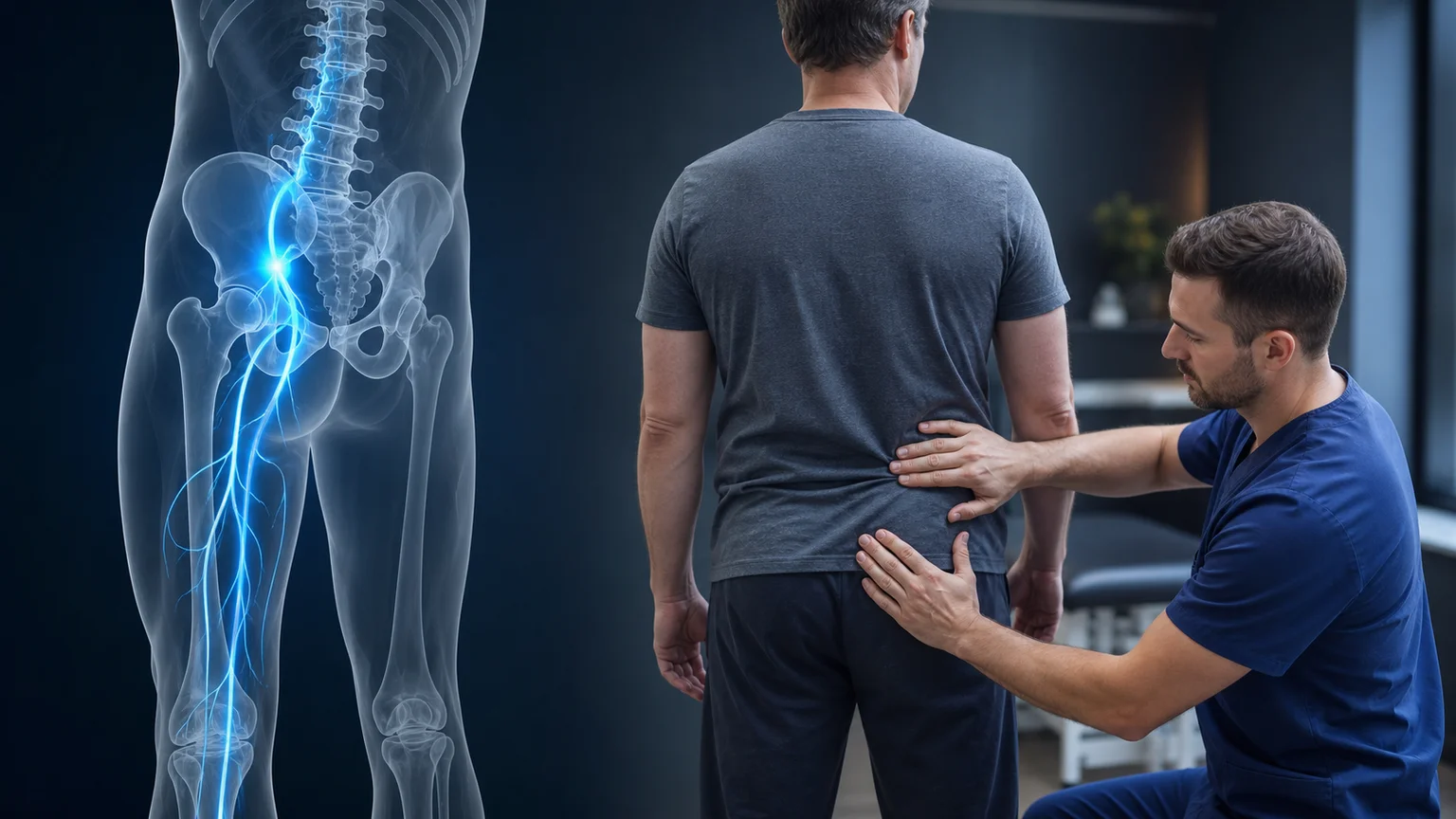
Sciatica is pain that travels along the sciatic nerve, from the lower back through the buttock and down one leg, usually because a disc or narrowing in the lumbar spine is irritating a nerve root. Most cases improve without surgery. At Core Medical Center, our medical team pinpoints the real cause and build a nonsurgical plan using adjustment, therapy, pain management and targeted injections under one roof.
Sciatica Care for Kansas City, Built Around the Real Cause
Sciatica is pain that runs along the sciatic nerve, from your lower back through the buttock and down one leg, and it usually means a nerve in your lumbar spine is being pinched or irritated. The pain is real, but for most people it does not require surgery. At Core Medical Center in Blue Springs, our medical team finds the source of the irritation and build a plan to settle it down.
In short: sciatica is irritation of the sciatic nerve, most often from a disc or narrowing in the lower spine, and the great majority of cases improve with a structured nonsurgical plan rather than an operation.
What Sciatica Actually Is
The sciatic nerve is the longest nerve in the body. When a structure in your lower spine presses on one of its roots, the signal shows up as pain, tingling or weakness anywhere along that path. That is why a problem in your back can be felt mostly in your leg or foot. Pinning down where the nerve is being compressed is the whole game, because the right treatment depends on the cause, not just the symptom.
Common Causes
Sciatica is a symptom, not a single disease, so the first visit is about finding the driver. The causes we see most often in Kansas City patients include:
- Herniated or bulging lumbar disc pressing directly on a nerve root, the most frequent cause
- Spinal stenosis, where the canal around the nerve narrows with age
- Degenerative disc disease and other wear-related changes in the lower spine
- Piriformis tightness or spasm in the buttock that compresses the nerve from outside the spine
Because a herniated disc is such a common trigger, evaluating the discs is a routine part of how we work up your case.
Symptoms
Sciatica almost always affects one side. The pattern usually includes:
- Sharp, electric or burning pain that radiates from the low back into the buttock and down one leg
- Numbness or pins-and-needles tingling along the back of the leg or into the foot
- Leg weakness that makes standing, stairs or lifting the foot feel harder than usual
- Pain that flares with sitting, coughing, sneezing or bending forward
If your symptoms map onto more than one of these, a focused exam can tell us which nerve root is involved and how far the irritation has progressed.
Treatment Options
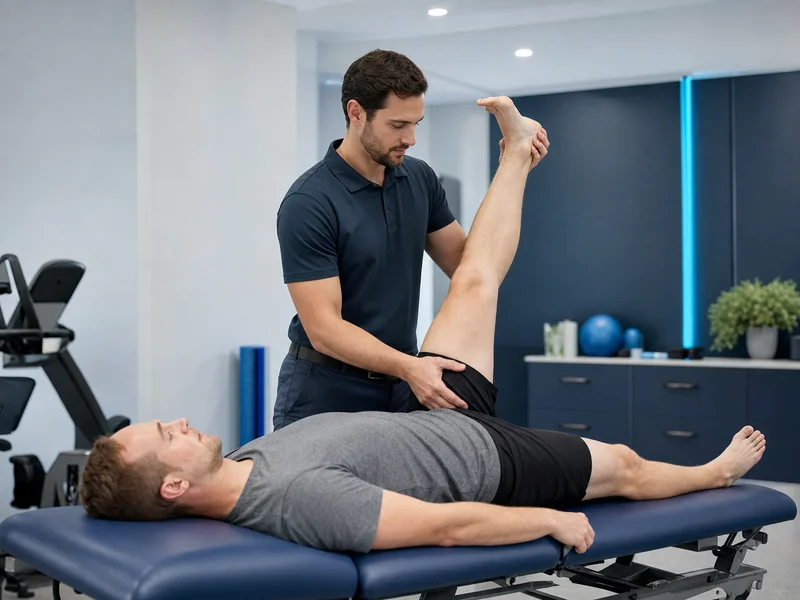
Most sciatica responds well to conservative care, and that is where we start. Your provider connects the diagnosis to the right combination of services under one roof in Blue Springs:
- Sciatica Pain Treatment for a focused, medically directed plan aimed at the irritated nerve
- Spinal Adjustment to restore movement and take mechanical pressure off the nerve
- Pain Management when pain is limiting your sleep, work or daily function
- Injection Procedures such as image-guided epidural steroid injections to calm inflammation around the nerve root
Our pain-management and injection care is led by Dr. Paul Doskey, a board-certified anesthesiologist, and it stays coordinated with our chiropractic and physical therapy teams so every part of your plan points the same direction. Because the medical, chiropractic and therapy teams share one building minutes from Saint Luke’s East Hospital, your diagnosis and your treatment do not get handed off and lost.
When to Seek Care
Book an evaluation if leg pain has lasted more than a week, keeps returning, or is interfering with sleep and daily activity. Seek urgent medical attention right away if you develop sudden, severe leg weakness or any loss of bladder or bowel control, since those can signal a problem that needs immediate evaluation.
You do not have to wait out a sciatica flare and hope it passes. Same-week appointments are typically available, and a clear diagnosis is the fastest path to relief. When you are ready, book a visit and let our team find the cause and put a plan in motion.

Medically directed, under one roof
Get an Evaluation for Sciatica
Medically directed, non-surgical care first. Same-week appointments are typically available across our Blue Springs and Overland Park locations.
Book AppointmentCommon questions
Sciatica FAQ
What is sciatica?
Sciatica is pain that travels along the sciatic nerve, from the lower back through the buttock and down one leg, usually because a nerve root in the lumbar spine is compressed or irritated. At Core Medical Center we identify the source and treat it with a medically directed, nonsurgical plan in Blue Springs, serving the Greater Kansas City metro.
How long does sciatica take to heal?
Many sciatica flares ease within a few weeks with the right care, though disc-related and chronic cases can take longer. A clear diagnosis and a structured plan that combines hands-on care, therapy and, when needed, targeted injections tends to shorten recovery and lower the chance of a repeat flare.
Do I need surgery for sciatica?
Most people with sciatica improve without surgery. We focus on conservative options first, including spinal adjustment, physical therapy, pain management and image-guided injections, and we reserve surgical referral for the smaller group with progressive weakness or symptoms that do not respond to nonsurgical care.