

pain control clinic · Overland Park, KS
Sciatica Pain Treatment
Nonsurgical sciatica treatment in Overland Park and Johnson County. We find the nerve source, calm the leg pain and rebuild function. Same-week visits.
Sciatica pain treatment relieves nerve pain that runs from the lower back down the leg, usually from a pinched or irritated nerve root. At Core Medical Center it is nonsurgical and led by our medical team, finding the cause first, then combining spinal adjustment, targeted therapy, and image-guided injections when needed, all under one roof.
Sciatica Pain Treatment in Overland Park, KS
Sciatica is nerve pain that starts in the lower back and shoots through the buttock and down one leg, almost always because a nerve root is being pinched or inflamed. At our Overland Park clinic, Core Medical Center treats it with a medically directed, nonsurgical plan that pinpoints the cause and quiets the pain, with medical, chiropractic, and physical therapy care under one roof. We serve Johnson County and the Kansas side of the Greater Kansas City metro, a short drive from Oak Park Mall and Overland Park Regional Medical Center.
In short: effective sciatica treatment goes after the nerve compression itself, not just the symptom, blending spinal adjustment, targeted therapy, and image-guided injections when the leg pain warrants it, all directed by a pain management physician.
Why Sciatica Needs a Cause, Not a Label
Sciatica is a symptom, not a standalone diagnosis. Something is pressing on or irritating the sciatic nerve, and the usual culprits are a herniated disc, spinal stenosis, or a tight piriformis muscle. Naming that source is the first job, because the plan only works when it is matched to the real driver.
You may recognize sciatica by:
- Sharp or burning pain that runs from the low back into one leg
- Numbness, tingling, or a “pins and needles” feeling below the knee
- Weakness in the leg or foot
- Pain that flares when you sit, cough, or bend forward
Who We Help in Johnson County
This program is built for Overland Park and Johnson County residents whose sciatica is interfering with sitting, standing, working, or sleeping, especially after rest and over-the-counter medicine have failed to give lasting relief. It also fits people who want to steer clear of surgery and prefer a structured, conservative path first. If your sciatica followed a lifting strain at work, a fall, or a car accident, we can fold that care into the same plan and document it for a Kansas workers’ compensation or injury claim.
How Our Overland Park Sciatica Plan Works
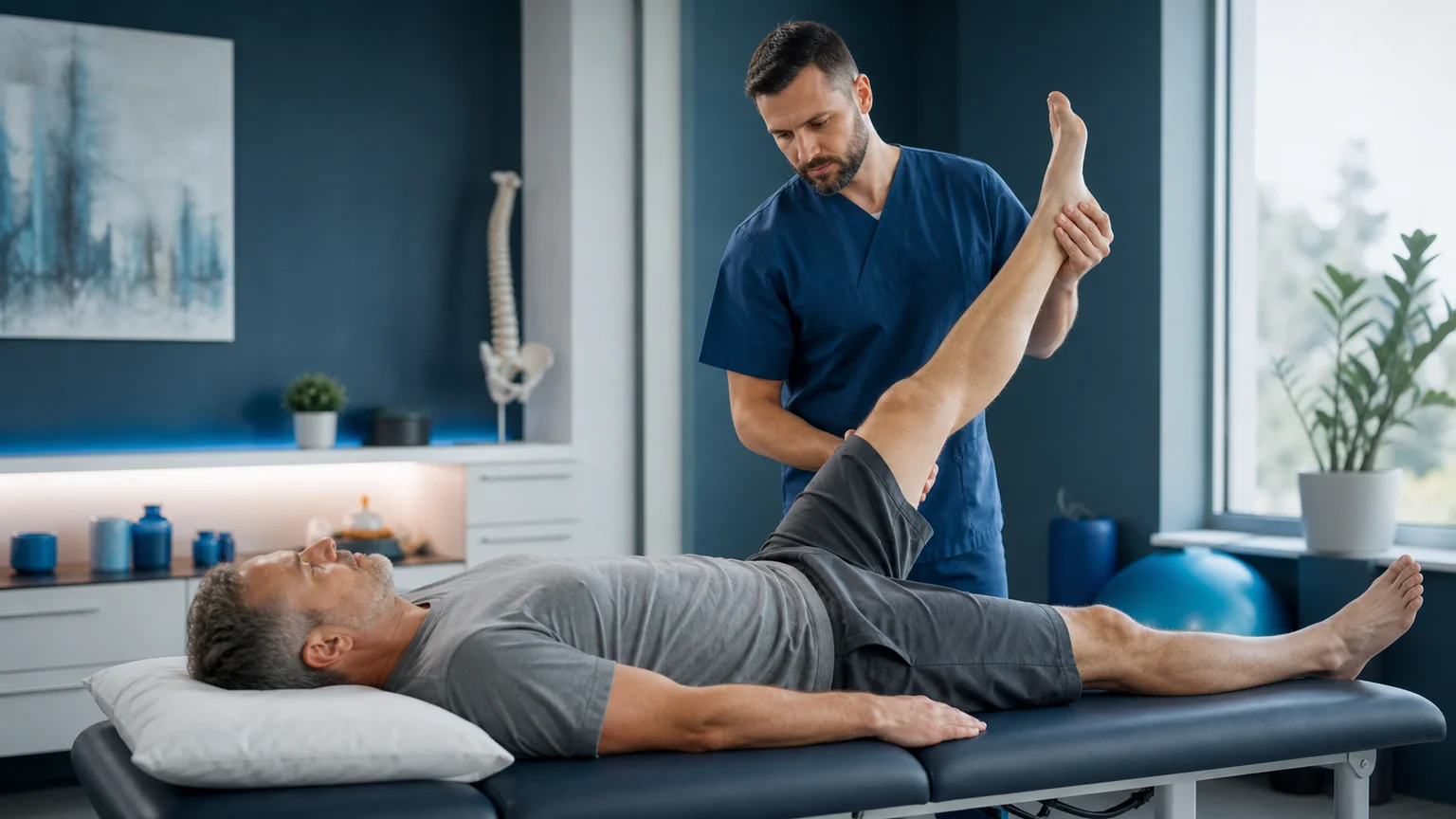
The first visit is an evaluation, not guesswork. We trace exactly where the pain travels, test strength and reflexes, and review or order imaging when the findings call for it. Your provider then assembles a plan that may include:
- Spinal adjustment to restore mechanics and ease nerve irritation, delivered through our spinal adjustment care
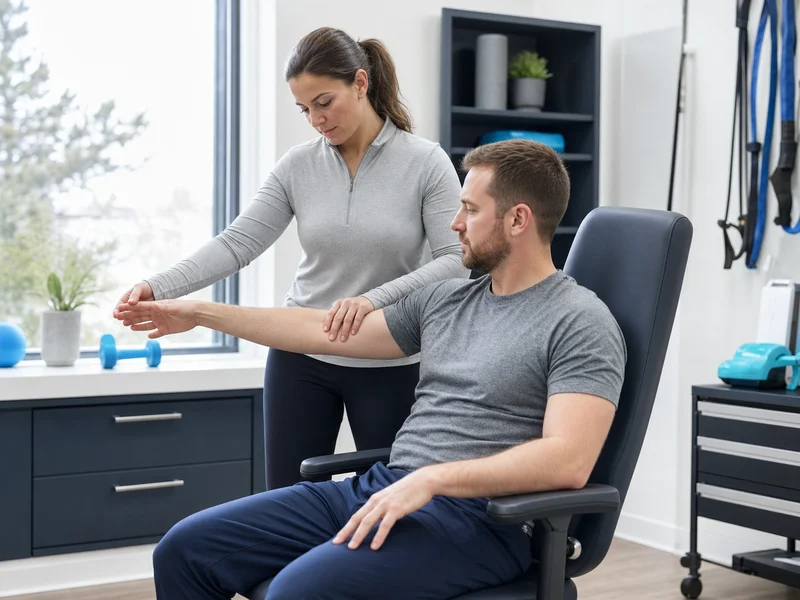
- Targeted physical therapy to decompress the nerve, build core and hip stability, and break the flare-up cycle
- Image-guided injection procedures for severe or stubborn leg pain, offered through our injection procedures service
- Regenerative options for select disc-related cases that need tissue support
- Broader pain control coordinated through our pain management program
Because our teams share one building in Overland Park, the plan stays connected and you are not driving across the metro chasing referrals.
Conditions We Address
We treat sciatica from its most common origins, including herniated disc, lumbar disc bulges, spinal stenosis, and piriformis-related compression, along with the chronic low back pain that so often rides alongside it. Your provider ties your specific diagnosis to the right mix of adjustment, therapy, and, where appropriate, injection or regenerative care.
Why Patients Choose Core Medical Center
Your sciatica care here is directed by Dr. Paul Doskey, MD, a board-certified anesthesiologist who leads our pain management work. That matters because sciatica sits at the intersection of spine mechanics and nerve pain, and a plan Dr. Doskey directs keeps both in focus. As an integrated clinic and a recognized pain control clinic and chiropractor practice serving Overland Park, we move you from evaluation to a working treatment plan quickly, then adjust it as your leg pain changes.
What to Expect
Most patients walk out of the first visit with a clear explanation of what is driving their sciatica and a plan to fix it. You will understand the purpose of each step, roughly how long it should take, and what to do at home between visits.
Same-week appointments are typically available at our Overland Park location, so there is no reason to wait the pain out. When you are ready, book your sciatica evaluation and let us find the cause and get you moving again.

Medically directed, under one roof
Ready to Start Care for Sciatica Pain Treatment?
Same-week appointments are typically available at our Overland Park, KS location, serving Johnson County and the Greater Kansas City metro.
Book AppointmentCommon questions
Sciatica Pain Treatment FAQ
Where can I get sciatica treatment in Overland Park, KS?
Core Medical Center treats sciatica at our Overland Park clinic at 10520 Barkley, Suite 120, serving Johnson County and the Kansas side of the Kansas City metro. Our pain management physician, Dr. Paul Doskey, MD, directs a nonsurgical plan that targets the actual nerve source, usually combining spinal adjustment, targeted physical therapy, and an image-guided injection when leg pain is severe.
Does Kansas workers' compensation cover sciatica from a work injury?
Sciatica that begins after a lifting strain or other on-the-job injury is often handled under Kansas workers' compensation, and we document the leg pain, numbness, and function so the record supports your claim. Bring your claim details to the first visit and we will coordinate care within that framework.
Can you treat sciatica without surgery?
Yes. Most sciatica responds to conservative, medically directed care, so we begin there and reserve a surgical referral for true red-flag findings or cases that do not improve, which means you work through the nonsurgical options first.