
Most concussions heal with time, rest, and a gradual return to normal activity. For a lot of people in Blue Springs and across the Kansas City metro, that is the whole story. The headache fades, the fog lifts, and life goes back to normal within a couple of weeks.
But that is not how it goes for everyone. When symptoms drag on for weeks or months, it can point to post-concussion syndrome, a condition where the effects of a head injury outlast the expected recovery window. Knowing when to stop waiting and start getting evaluated can make a real difference in how fully you recover. Here are seven signs your concussion may need more than rest.
1. Headaches That Will Not Go Away
A headache right after a head injury is normal. The concern is when those headaches stick around past the first couple of weeks, or actually get worse over time. Persistent headaches are one of the most common signs that the brain is still struggling to recover, and they are worth taking seriously rather than masking with over-the-counter pain relief.
2. Dizziness or Balance Problems
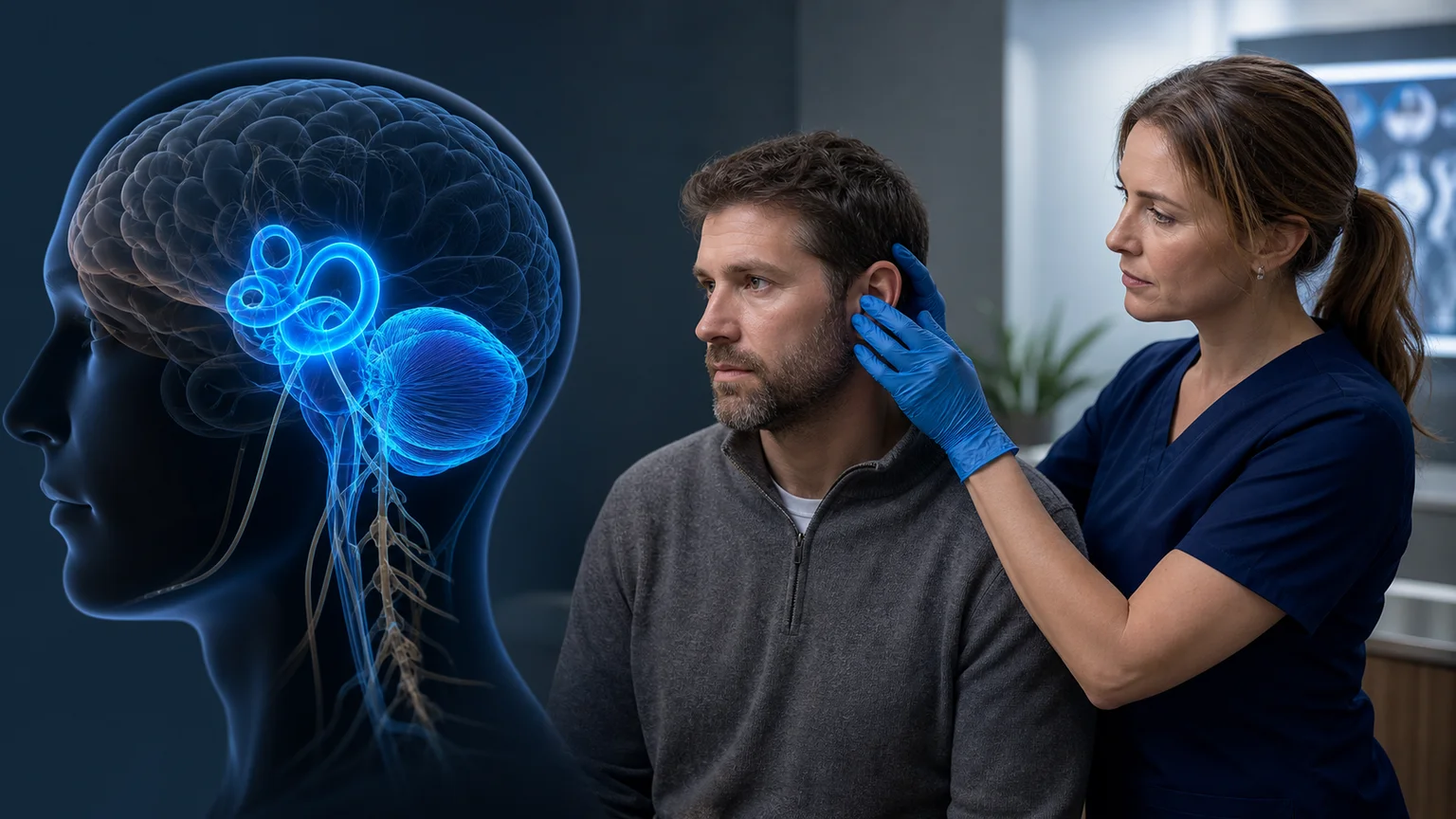
Feeling dizzy, unsteady, or like the room is spinning can point to a problem with the vestibular system, which is what keeps you balanced. These symptoms often do not improve with rest alone. They usually respond better to a structured vestibular therapy program that helps retrain the brain and inner ear to talk to each other again.
3. Brain Fog and Memory Trouble
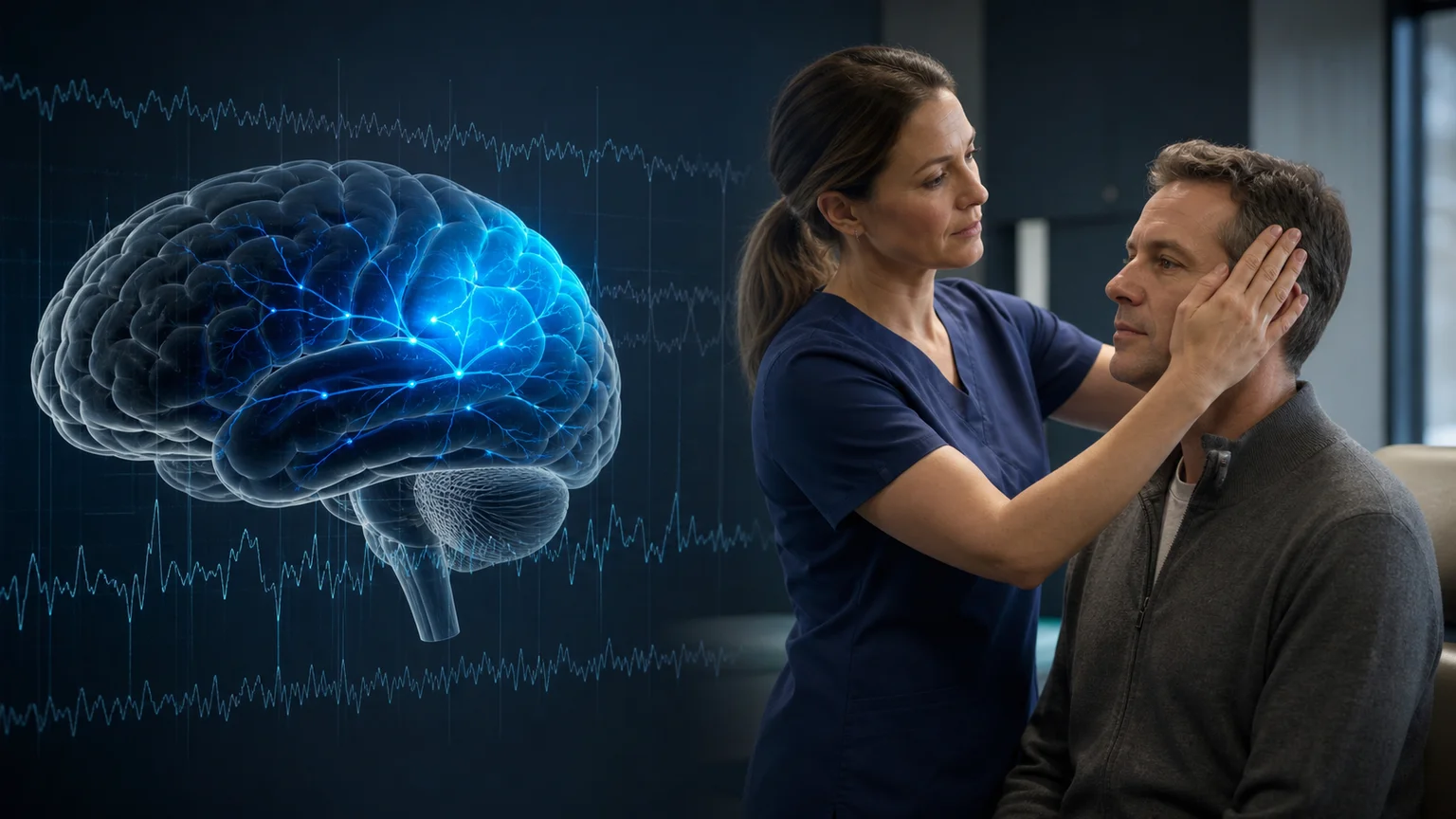
Trouble concentrating, forgetting things, or feeling like you are thinking through mud is often called brain fog. When these cognitive symptoms hang on, they can quietly wreck your performance at work, at school, and at home. Targeted cognitive rehabilitation can help retrain the skills that the injury knocked offline.
4. Sensitivity to Light and Sound
Bright screens that suddenly feel painful, or normal background noise that feels overwhelming, are common after a concussion. The medical terms are photophobia and phonophobia. When that sensitivity does not fade on its own, it can be a sign that the brain’s processing systems are still impaired and need rehabilitation rather than just a dark, quiet room.
5. Mood Changes and Irritability
A concussion can affect how the brain regulates emotion, which can show up as anxiety, low mood, a shorter fuse, or mood swings that do not feel like you. These changes are real and tied to the injury itself, not just the stress of dealing with it. Care that treats both the emotional and the physical side of recovery tends to work better than ignoring either one.
6. Sleep Disturbances
Trouble falling asleep, waking up through the night, or sleeping far more than usual can all follow a head injury. Sleep is when a lot of healing happens, so poor sleep slows recovery and tends to make every other symptom worse. That creates a frustrating loop that is hard to break out of without some help.
7. Neck Pain and Stiffness
Many concussions happen during the same event that strains the neck, so whiplash and concussion often travel together. Lingering neck pain is not a side issue. It can feed directly into headaches and dizziness, and treating it is frequently a key part of getting all the way better.
When to Seek Help
If any of these symptoms are still with you several weeks after a concussion, it is worth getting checked out instead of waiting it out. Early evaluation and treatment can keep symptoms from settling in and becoming chronic, which is a much harder problem to unwind.
At Core Medical Center, our medical team in Blue Springs and Overland Park offers a dedicated concussion treatment program for patients across the Greater Kansas City area. It is one part of our broader physical therapy and rehabilitation services, and we look at the whole picture, from the brain to the neck, so recovery addresses what is actually driving your symptoms.
If lingering symptoms are holding you back, reach out to schedule an evaluation. Getting back to the life you love often starts with a single appointment.
Frequently Asked Questions
How long should concussion symptoms last before I see a doctor?
Most concussion symptoms ease within about two weeks. If headaches, dizziness, brain fog, or mood changes are still with you several weeks after the injury, that is a good reason to get evaluated. Early care often keeps symptoms from settling in and becoming a longer-term problem.
Is rest always the best treatment for a concussion?
Short-term rest right after a concussion is helpful, but too much rest for too long can actually slow recovery. Once the early days pass, a gradual and guided return to activity, along with targeted therapy when needed, usually leads to a fuller recovery than waiting it out alone.
Can physical therapy help with concussion recovery?
Yes. When symptoms like dizziness, balance trouble, or persistent headaches linger, a structured concussion treatment program can retrain the systems the injury affected. This often includes vestibular work for balance and dizziness, plus care for the neck, which frequently contributes to ongoing symptoms.
What is post-concussion syndrome?
Post-concussion syndrome is when the effects of a head injury, such as headaches, fog, and dizziness, outlast the normal recovery window of a few weeks. It is a recognized condition that responds well to active treatment rather than continued waiting, which is why a thorough evaluation matters.
Where can I get concussion care in the Kansas City area?
Core Medical Center offers medically directed concussion and post-concussion care at our Blue Springs and Overland Park locations, serving patients throughout the Greater Kansas City metro. Care addresses both the brain and the neck so recovery targets what is actually driving your symptoms.