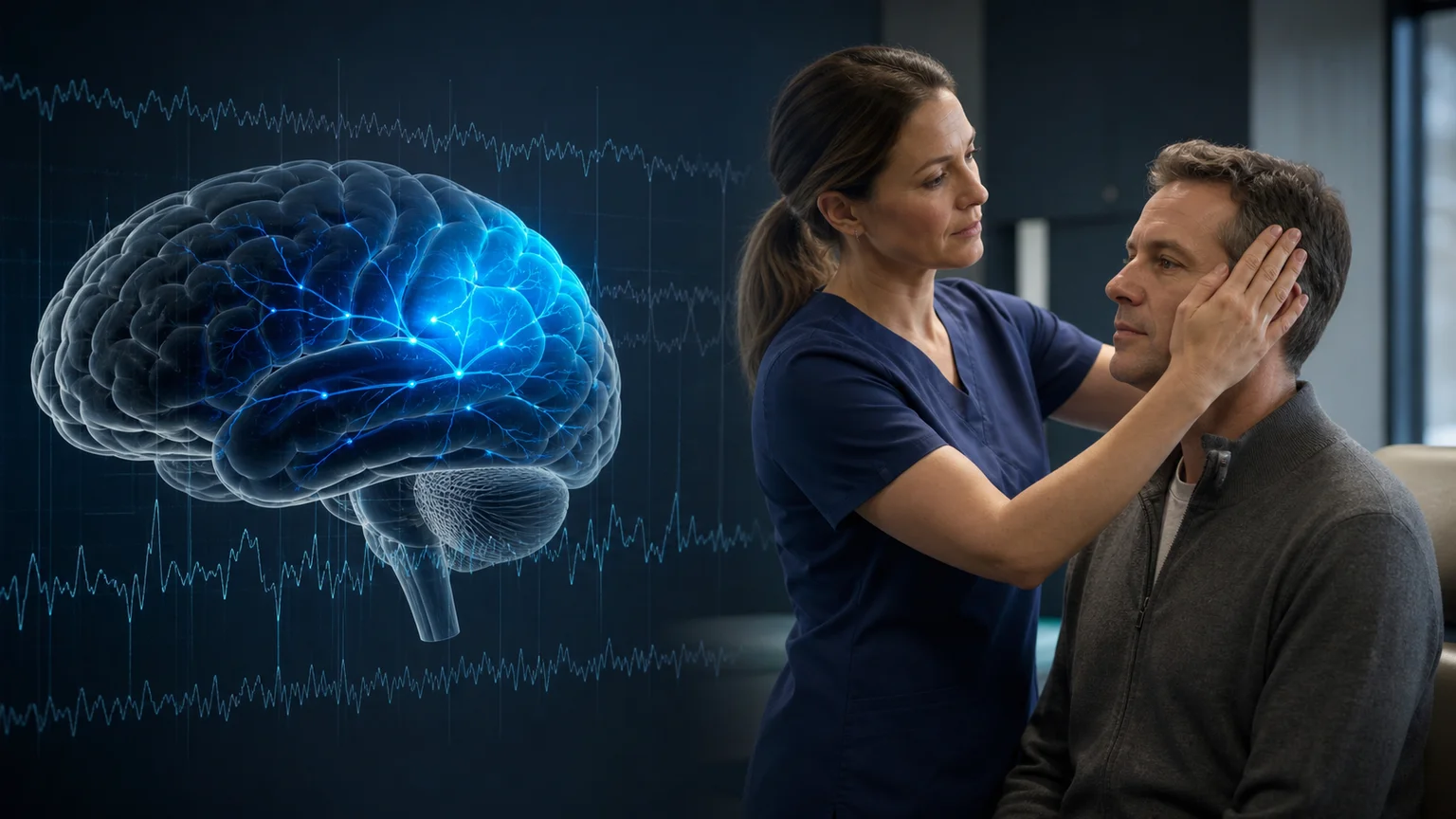

When most people picture a concussion, they imagine a dramatic collision on a football field or a fall that ends with someone knocked out cold. The reality is far quieter. You can suffer a concussion without losing consciousness, without a visible bump, and without ever thinking the word “concussion” crossed your mind. That is exactly why so many go unrecognized.
How a Concussion Happens Without a Direct Hit
A concussion is what happens when the brain moves rapidly inside the skull. That motion does not require a blow to the head at all. A rear-end fender bender on I-70, a slip on icy steps during a Kansas City winter, or a sudden jolt that snaps the head forward and back can all be enough. The brain shifts, gets jostled against the inside of the skull, and the result is a mild traumatic brain injury even though nothing obviously “broke.”
Because there is no loss of consciousness in most cases and often nothing to see on the outside, the moment passes and life goes on. The injury, however, may not.
Why the Symptoms Are So Easy to Miss
The trickiest part of a concussion is timing. Symptoms do not always show up right away. They can surface hours or even a few days after the event, by which point the connection to the original jolt is easy to overlook. Common signs include:
- Headaches that linger or come and go
- Dizziness or trouble with balance
- Difficulty concentrating or thinking clearly
- Memory lapses and a foggy, “off” feeling
- Sensitivity to light or noise
- Irritability and mood changes
- Trouble sleeping, or sleeping more than usual
Any one of these is easy to write off. A headache gets blamed on stress. Brain fog gets blamed on a poor night of sleep. Mood swings get blamed on a hard week. When these signs cluster together after a minor accident or fall, though, they tell a more important story.
Why It Matters More Than People Think
A concussion that goes unrecognized is a concussion that goes untreated, and that is where problems grow. Without proper rest and care, recovery can stretch on far longer than it should. Some people develop lingering issues that persist for weeks or months, a pattern often described as post-concussion syndrome.
The bigger concern is a second injury before the first has healed. The brain is more vulnerable while it is still recovering, and a repeat concussion during that window carries a higher risk of lasting effects. This is why awareness matters so much. Catching the first injury early helps protect against the damage a second one can do.
A Concussion Affects More Than Your Head
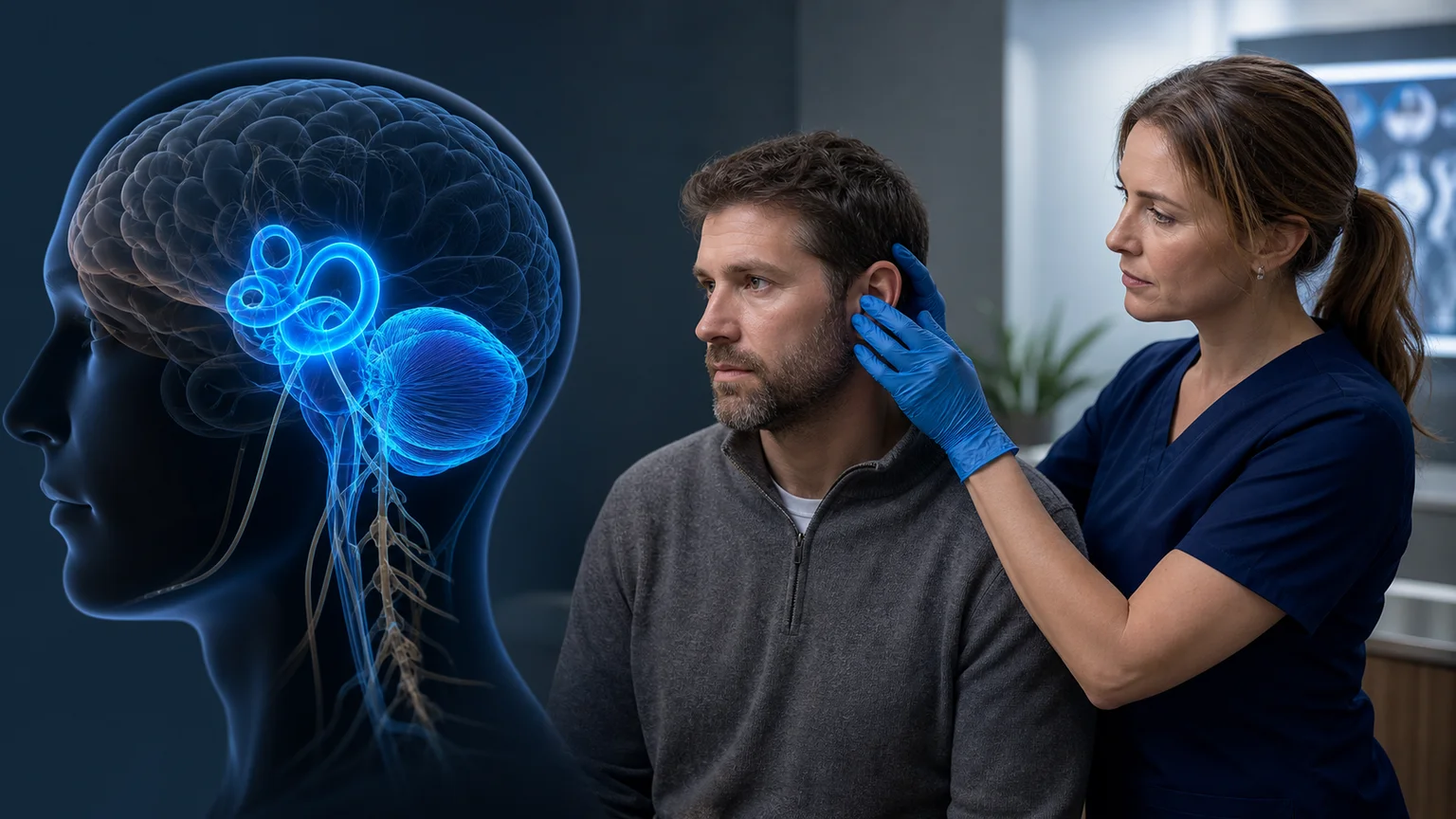
It is tempting to think of a concussion as purely a head problem, but the effects reach further than that. The same injury can disrupt balance, vision, mood, and the everyday cognitive work of focusing, remembering, and processing what is around you. When dizziness and balance problems linger, targeted vestibular therapy for dizziness and balance can help retrain the systems that keep you steady. A thorough evaluation looks at the whole picture rather than a single symptom. The brain coordinates the body, and when it is rattled, the ripple effects can touch many parts of daily life.
When to Get Checked Out
Here is the simplest guideline: if you have taken a jolt, a fall, or a collision, even a seemingly minor one, and you notice anything unusual in the hours or days that follow, get evaluated. You do not need to have blacked out. You do not need a visible injury. The subtle, easy-to-dismiss symptoms are exactly the ones that benefit most from a professional assessment.
A proper evaluation can identify a concussion that might otherwise slip by unnoticed and guide a recovery plan built around how your symptoms are actually behaving. For people across Blue Springs, Overland Park, and the greater Kansas City metro, that early step can be the difference between a clean recovery and a drawn-out one.
How Core Medical Center Can Help
If you are dealing with headaches, dizziness, or that nagging foggy feeling after any kind of impact, do not wait for it to “just go away.” Our concussion rehabilitation program provides a structured assessment and a recovery plan tailored to your specific symptoms, and it sits within our broader physical therapy and rehabilitation services that address the balance, vision, and cognitive effects an impact can leave behind. You can also read more about the signs and stages of concussion as a condition and what recovery typically involves.
Frequently Asked Questions
Can you have a concussion and not know it?
Yes. Many concussions happen without a loss of consciousness, a visible bump, or any obvious moment of injury. Symptoms such as headaches, brain fog, or dizziness can appear hours or days later, which makes it easy to miss the connection to the original jolt. If you notice anything unusual after an impact, it is worth getting evaluated.
How long after a hit do concussion symptoms appear?
Concussion symptoms can show up immediately, but they often surface hours or even a few days after the event. Delayed symptoms are part of what makes concussions so easy to overlook. Because of this, it is smart to monitor how you feel for several days after any fall, collision, or sudden jolt.
Do I need to lose consciousness to have a concussion?
No. Most concussions occur without any loss of consciousness at all. The injury comes from the brain moving rapidly inside the skull, which can happen from a whiplash motion or a jolt that never knocks you out. The absence of a blackout does not mean the absence of a concussion.
When should I see a doctor for a possible concussion in Kansas City?
If you have experienced a fall, car accident, or sudden impact and notice headaches, dizziness, memory trouble, or a foggy feeling, you should be evaluated promptly. Early assessment helps prevent a longer recovery and reduces the risk of a second injury. Patients across Blue Springs, Overland Park, and the greater Kansas City metro can be evaluated through our concussion rehabilitation program.
What happens if a concussion goes untreated?
An untreated concussion can lead to a longer recovery and lingering symptoms, sometimes lasting weeks or months in a pattern known as post-concussion syndrome. There is also a higher risk of serious harm if a second injury occurs before the first has healed. Getting checked early gives the brain the rest and care it needs to recover properly.